


Sleep Study in Delhi – Advanced Diagnosis for Sleep Disorders
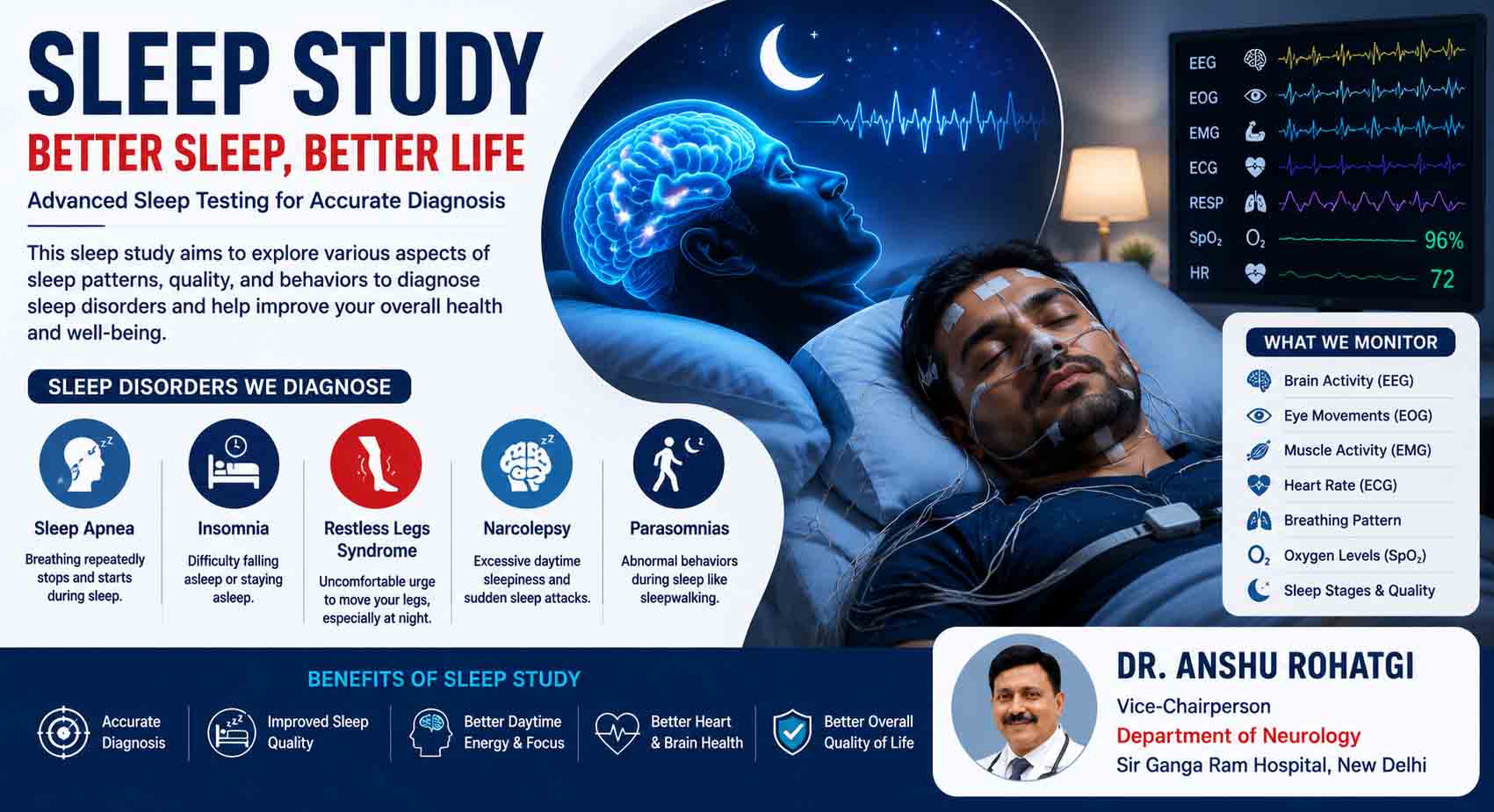
A sleep study is a specialized diagnostic test used to evaluate sleep patterns, breathing, brain activity, oxygen levels, and body movements during sleep. It helps diagnose various sleep disorders that can affect overall health, energy levels, heart health, and quality of life.
Sleep disorders often remain undiagnosed for years and may lead to serious medical complications if left untreated. A professional sleep study helps identify the root cause of disturbed sleep and guides appropriate treatment.
What is a Sleep Study?
A sleep study, also known as polysomnography, is a non-invasive test performed to monitor different body functions while you sleep. The study records:
- Brain activity
- Breathing patterns
- Oxygen levels
- Heart rate
- Eye movements
- Muscle activity
- Sleep stages
The test helps specialists understand how your body behaves during sleep and detect abnormalities affecting restful sleep.
Why is a Sleep Study Important?
Poor sleep quality can impact both physical and mental health. A sleep study helps diagnose underlying sleep disorders early and improves treatment outcomes.
Benefits of Sleep Study:
- Accurate diagnosis of sleep disorders
- Improved sleep quality
- Better daytime energy and concentration
- Reduced snoring and breathing issues
- Improved heart and brain health
- Better overall quality of life
Common Sleep Disorders Diagnosed
Obstructive Sleep Apnea (OSA)
A condition where breathing repeatedly stops and starts during sleep due to airway blockage.
Insomnia
Difficulty falling asleep or staying asleep.
Restless Legs Syndrome
An uncontrollable urge to move the legs, especially during rest or sleep.
Narcolepsy
A neurological disorder causing excessive daytime sleepiness and sudden sleep attacks.
Parasomnias
Abnormal behaviors during sleep such as sleepwalking, nightmares, or night terrors.
Symptoms That May Need a Sleep Study
You may require a sleep study if you experience:
- Loud snoring
- Excessive daytime sleepiness
- Interrupted sleep
- Morning headaches
- Difficulty concentrating
- Gasping or choking during sleep
- Fatigue despite adequate sleep
- Restless sleep
- Mood changes or irritability
Early diagnosis helps prevent complications related to untreated sleep disorders.
How is a Sleep Study Performed?
During the sleep study, sensors are placed on the body to monitor various activities while you sleep. The procedure is painless and safe.
Sleep Study Monitoring Includes:
- Brain wave monitoring
- Oxygen level monitoring
- Breathing assessment
- Heart rhythm recording
- Muscle and eye movement tracking
- Sleep stage analysis
Sleep studies may be performed in a sleep lab or at home depending on the condition being evaluated.
Treatment After Sleep Study
Treatment depends on the diagnosis and severity of the sleep disorder.
Treatment Options May Include:
- CPAP therapy for sleep apnea
- Lifestyle modifications
- Sleep hygiene improvement
- Sleep hygiene improvement
- Weight management
- Stress management
- Behavioral therapy
Proper treatment can significantly improve sleep quality and overall health.
Why Early Sleep Disorder Diagnosis Matters
Untreated sleep disorders may increase the risk of:
- High blood pressure
- Heart disease
- Stroke
- Diabetes
- Depression and anxiety
- Poor concentration and memory
- Daytime fatigue and accidents
Timely diagnosis and treatment help prevent long-term health complications.
Expert Sleep Disorder Evaluation
Comprehensive sleep assessment and advanced sleep studies help identify the exact cause of sleep-related problems. Personalized treatment plans are designed to improve sleep quality, breathing, and long-term wellness.
Book Sleep Study Consultation
If you experience snoring, disturbed sleep, excessive daytime sleepiness, or breathing problems during sleep, consult a specialist for proper sleep evaluation and diagnosis.